
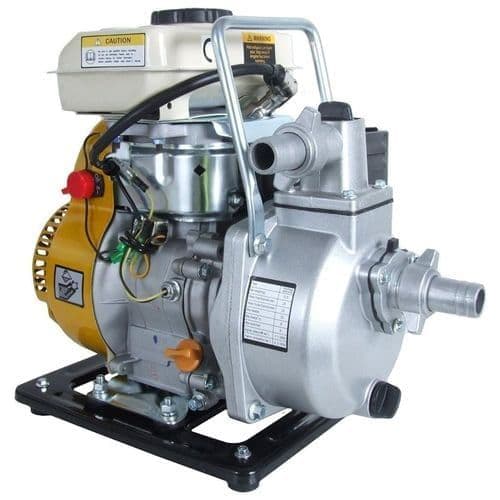
When mains power is not available and high volume water transfer cannot wait, a quality petrol driven centrifugal pump is the practical answer. The Villiers RT Centrifugal Petrol Pump with Oil Alert is designed for exactly these situations: construction site dewatering, agricultural water transfer, emergency drainage, and any application where a self contained, portable, high output pump is needed in the field.
Built around a proven petrol engine with an integrated oil alert protection system, the Villiers RT combines the performance contractors and farmers need with the engine protection that makes it a sensible long term investment. This article covers what the pump offers, where it works best, and the practical points to consider before putting it to work.
What Is the Villiers RT Centrifugal Petrol Pump?
The Villiers RT is a surface mounted centrifugal pump powered by a petrol engine, designed for clean or lightly contaminated water transfer at high flow rates. The centrifugal pump design is well suited to applications requiring large volumes of water to be moved quickly over moderate head distances, making it effective for site dewatering, irrigation supply, watercourse management, and emergency flood response.
The defining feature of this model is the integrated oil alert system. This automatic protection mechanism monitors the engine oil level and shuts the engine down before oil pressure drops to a point where internal engine damage would occur. For a pump that is regularly deployed in remote or unattended locations, this protection is not a convenience feature but a genuine safeguard against one of the most common causes of engine failure in field-use petrol pumps. View the full specification and pricing for the Villiers RT Centrifugal Petrol Pump with Oil Alert for current availability and technical data.
Key Applications
The Villiers RT's combination of portability, petrol independence, and high flow capability makes it well suited to a wide range of demanding duties:
- Construction site dewatering: keeping excavations, groundworks, and basement structures clear of groundwater and surface water accumulation during and after rainfall events
- Agricultural water transfer: moving large volumes of water between storage tanks, reservoirs, and irrigation headers where mains connection is not practical
- Land drainage management: pumping accumulated surface water from fields, ditches, and low-lying areas during wet periods
- Emergency flood response: rapid deployment for property or infrastructure flood clearance where speed and independence from mains supply are both critical
- Watercourse and culvert management: temporary bypass pumping during maintenance or inspection of drainage infrastructure
The broader engine driven pump range covers petrol and diesel options across a range of output capacities for contractors, farmers, and groundworks teams who regularly require mains-independent pumping capability on site.
The Oil Alert System: Why It Matters
The oil alert system is one of the most practically important features of the Villiers RT and deserves specific attention. Petrol engine pumps used in construction and agricultural environments are frequently operated by different people across a team, left running unattended for extended periods, and subjected to the kind of irregular maintenance schedules that busy site operations inevitably produce. Low engine oil is one of the most common causes of petrol engine seizure in field use pump equipment, and seizure damage is typically uneconomical to repair.
The oil alert system removes this risk by monitoring oil level automatically and cutting the engine before damage occurs. This means the pump can be left running with confidence that an oil-related failure will not develop into a write-off. It also means that when an operator does check the pump and finds it has shut itself down, the reason is immediately identifiable and easily resolved with a top up rather than an undiagnosed engine problem requiring workshop diagnosis.
Centrifugal vs Diaphragm: Choosing the Right Type for Your Application
It is worth briefly clarifying what a centrifugal pump is suited to and where its limitations lie, so the Villiers RT is matched to the right application from the outset. Centrifugal pumps move large volumes of clean or lightly contaminated water efficiently and are the correct choice for high flow water transfer duties. They are not designed for pumping water with significant suspended solids content, slurry, or thick sediment-laden water. For those applications, a diaphragm or trash pump is the appropriate specification.
For the vast majority of construction dewatering, agricultural water transfer, and drainage duties involving relatively clean water, the centrifugal design of the Villiers RT delivers the right combination of flow rate, portability, and running economy. For applications requiring pumping of dirty or solids-containing water, the construction and site dewatering range includes alternative engine driven options suited to those more demanding conditions.
Practical Deployment and Maintenance
A few operational points are worth noting for anyone putting the Villiers RT to work regularly:
- The pump must be primed before start-up; centrifugal pumps are not self-priming in the way that diaphragm pumps are, so the inlet hose and pump casing must be filled with water before the engine is started to achieve suction
- Inlet hose length and diameter directly affect the pump's ability to achieve and maintain suction; keep inlet hose runs as short as practical and use the correct diameter hose for the pump's inlet connection
- Follow the manufacturer's recommended service intervals for engine oil changes, air filter cleaning, and spark plug inspection to maintain reliable starting and consistent performance
- Store the pump with the fuel system managed correctly for the storage period: either run the carburettor dry for short-term storage or use a fuel stabiliser for longer periods to prevent carburettor varnishing
Frequently Asked Questions
Is the Villiers RT suitable for pumping dirty or muddy water?
The Villiers RT is designed for clean or lightly contaminated water; for pumping water with significant suspended solids, grit, or sediment, a diaphragm or trash pump rated for dirty water service is the appropriate specification.
What does the oil alert system do?
The oil alert system monitors engine oil level and automatically shuts the engine down if oil pressure falls to a point where continued running would cause internal engine damage, protecting the pump from one of the most common causes of field-use engine failure.
Does the Villiers RT self-prime?
Centrifugal pumps are not inherently self-priming and require the pump casing and inlet hose to be filled with water before start up to establish suction; always prime the pump before attempting to start it in a dry condition.
What inlet and outlet hose sizes does the Villiers RT use?
Confirm the specific inlet and outlet connection sizes from the product data sheet before purchasing hose and fittings; using hose of the correct diameter and keeping inlet runs as short as possible maximises the pump's suction performance.
Final Thoughts
The Villiers RT Centrifugal Petrol Pump with Oil Alert is a well specified, field-ready pump for high volume clean water transfer in applications where mains power is not available. The oil alert protection system addresses one of the most common failure points in petrol pump equipment used in demanding field conditions, making it a sensible choice for contractors, farmers, and site managers who need reliable performance over an extended service life.
Browse the complete range of engine driven and petrol powered pump systems at Henry Pumps to find the right specification for your application.